Video games have been a part of our lives for over 40 years. Although the medium is still relatively young – at least compared to film and the novel – it has only really been during this decade that it has begun to gain recognition as an art form. This fact is quite perplexing as, on the surface, video games contain a wide array of artistic elements: stunning visuals, emotional music, and some of the immersive atmospheres ever to put a visual medium. Despite all of these previously mentioned elements, video games have been dismissed as silly kids’ stuff, which does the medium and the gamers who enjoy it so much a severe disservice.
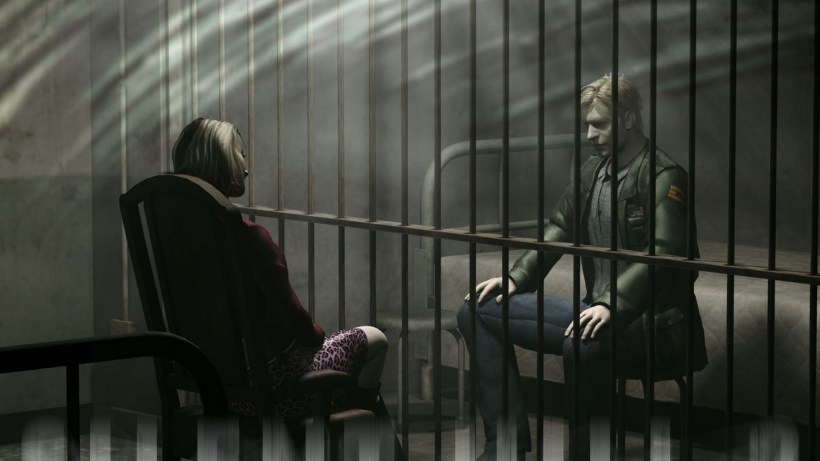
The first game I remember gaining the same artistic recognition as the paintings of Van Gogh and the films of Hitchcock was The Last of Us. Alas, for the life of me, I am not entirely sure why. Of course, the game features an emotional narrative at its forefront with characters who are as equally endearing as they are tragic, but I fail to see how this differs from the realm of film. Not to mention that video games have been doing this for years with Silent Hill 2 being a strong example.
In this blog, I seek to compare The Last of Us (2013) with a game I have been playing recently and absolutely adore: Celeste. To me, Celeste is a game that contains a highly emotional narrative in a way only video games can and is a true example of why video games should be recognised as art. So, come with me as we explore The Last of Us Syndrome and see why a game does not solely need a narrative which tugs om the art strings to be considered art.
A BEAUTY, NOT A BEAST
That being said, before we discuss the artistic merits of video games, let us briefly acknowledge that other mediums did indeed take a while to be recognised as art forms in their own rights. Many would be forgiven for thinking that theatre and the novel were held in the same regard as they are today when they first created and introduced the masses. Alas, this is not the case. Rather, the public believed both of these mediums to be poisonous vessels which corrupted the minds of the young – similarly to how video games are still viewed today by some. Therefore, it took time for those same people to see that these mediums were innocent, artistic expressions with no malice intended.
Video games contain many similar, artistic elements to what has come before. The graphics that we see in some games and the images that they present could easily be mistaken for paintings if viewed in freeze frame. Yet it is rare that you find video game concept art in an art gallery. The music in video games, especially modern games, can easily rival the score which accompanies the latest blockbuster film.
However, it is not just these elements alone that make video games worthy of widespread recognition, but also how they are altered to make the medium of video games unique. For example, some games feature a dynamic soundtrack which may include features like the music gradually increasing in speed and intensity to match an on-screen battle. While The Last of Us certainly features plenty of great music, it more closely resembles a medium I am all too familiar with.

A LITTLE MORE CONVERSATION, A LITTLE LESS ACTION
Leading on from that last sentence, it is high time to explain what exactly The Last of Us Syndrome is. Games that suffer from The Last of Us Syndrome are games that feel more like films rather than video games. It cannot be denied that there is gameplay to find in The Last of Us. However, the crux of this gameplay is, more often than not, simple navigation from point A to point B while characters share a conversation and occasionally must sneak past an enemy. Yet this game managed to receive myriad perfect 10 scores. Why is this exactly?
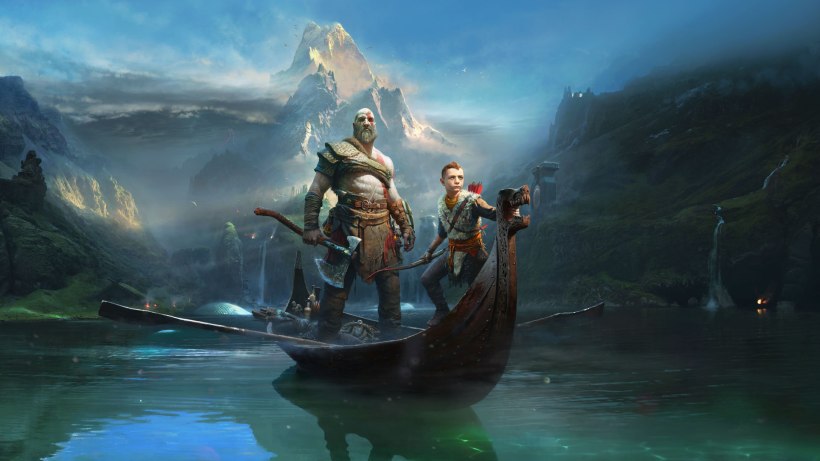
Well, my theory is because the game hooked people in with its narrative and production quality. Essentially what this says is that video games need to emulate films in order to be taken seriously as an artistic medium which is most certainly the wrong message to be sending out. In turn games like the most recent God of War have betrayed what the series stands for in the interest of being seen as a mature product (bear in mind that this is solely my opinion). Previous games in the series had players constantly moving from one epic battle to the next and solving puzzles in-between, letting them see new things and constantly keeping them engaged. God of War instead elects to have the player walk from one location to the other while sharing a conversation with an NPC every now and again. This began to become boring after a while and had me pining for the days of old where player agency took priority of over scripted storytelling. The fact that game’s title drops any pretences of this being a sequel suggests a certain air of superiority, further adding insult to injury.
It seems that flashy visuals and a human story is all it takes to hold video games in the same esteem as cinematic masterpieces from yesteryear, but what if I told you that games could achieve this while keeping gameplay at the forefront?
A TOWERING TRIUMPH
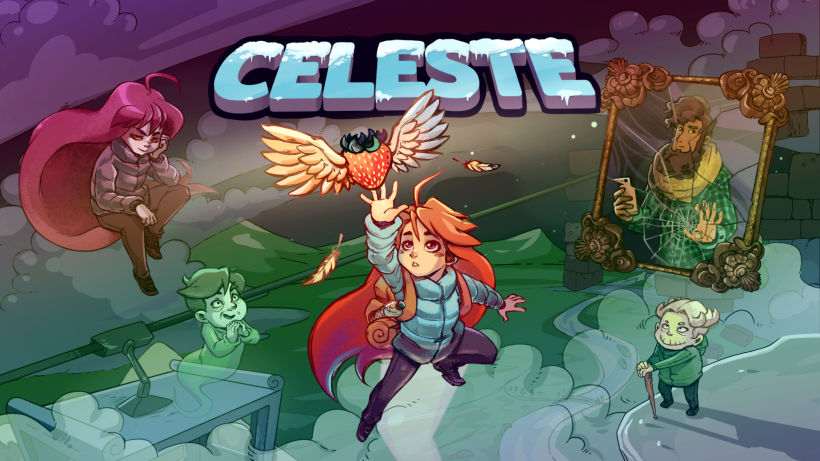
Despite the many twists and turns featured in the narrative for The Last of Us (2013). Despite the effort put into God of War to humanise Kratos. Celeste is the first game in a while who’s narrative has affected me deeply on an emotional level. At its core, the game is about mental illness and how we can overcome them. As one who has been battling with his own demons for a few years now, I see Celeste as a much more fun form of therapy. Further, the characters who feature prominently in the game’s scripted narrative are as equal parts likeable as they are tragic.
While these narrative elements are most certainly on par with The Last of Us, the true narrative of Celeste is the journey that the player takes. Throughout the game, the goal of the player is to reach the top of Celeste mountain. As one can imagine, this is not as easy as it sounds. The game is brutally difficult, containing many platforming challenges that seem impossible to conquer upon first glance. This is a very accurate reflection on real life. On a daily basis, many of us are met with difficult situations that seem impossible to overcome. However, with a bit of hard work and lots of determination, we get through them and emerge victorious on the other side. Similarly, in the game, when you overcome a difficult challenge, you feel a great sense elation. You feel as though you can conquer anything.
So, the game may feature beautiful graphics and a score that is unlike anything you have heard before. It may feature an emotional story about one woman’s journey through hell to achieve greatness, but the real art of the game lies in its gameplay which allows the player to craft their own story and overcome their own challenges in life. It is not about the destination, it is about the journey.
FINAL THOUGHTS
In conclusion, a game which suffers from The Last of Us Syndrome cannot be held as a trailblazer for having video games recognised as a fully fledged art form. They rely too much on an already established art medium to set the video game medium apart from others. Instead, it is games like Celeste which allows players to craft their own stories that show exactly why video games should be taken more seriously by the paying public. We see people walking around and having a chat all the time in films. It is by no means unique, or even remotely interesting within the confines of that very medium. However, giving the player full control of how their narrative plays out and providing them with unique tales which they can share with their friends, that is truly magical, and an art unlike any other.
Images From:
https://wallpapercave.com/w/wp1811272
https://wallpapertag.com/silent-hill-2-wallpaper
https://wall.alphacoders.com/big.php?i=532407
 Will Double J